
AutoPartsChecker: https://autopartschecker.com/bulletins/01138220332114/
Audi service bulletin 01138220332114: Low Fuel Rail Pressure
During long periods of idling or extended stop-and-go traffic, high temperatures can cause steam bubbles in the fuel. This can temporarily lower fuel pressure and store a low fuel pressure fault code.
Technical service bulletin 01138220332114 applies to the Audi A5, Audi A6, Audi Q5 and 1 more.
A service bulletin (TSB) tells dealers how to diagnose and fix a known issue. Unlike a recall, the repair is usually only free under warranty or a warranty extension. If your vehicle has the symptom, mention bulletin 01138220332114 to your dealer or mechanic.
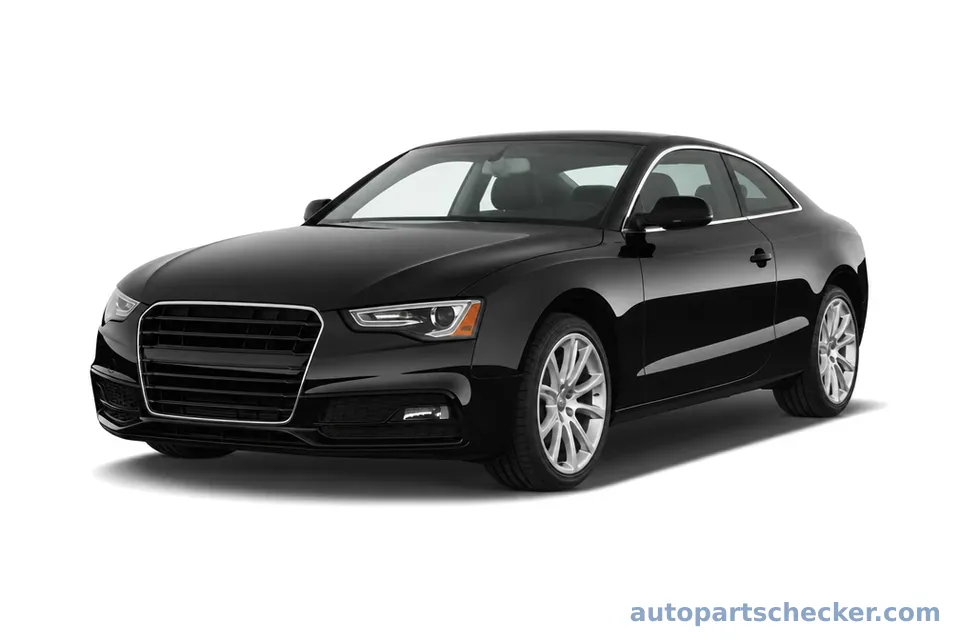
Service bulletin 01138220332114: Fuel system, Gasoline, Electrical system, Windows, mirrors and visibility, Engine and cooling
Issued Mar 2013. NHTSA ID 10222011, 10228359, 10225038
Technical Background: Under extreme driving conditions (e.g. long idle periods or extended stop and go traffic), high temperatures build up in the rail system and can lead to steam bubbles in the fuel. This causes temporary drops in fuel pressure, causing DTC P008700 (fuel rail pressure too low) to be stored. Freeze frame data will indicate those extreme driving conditions: coolant temperature is above 102°C. Production Solution: Software to optimize the cooling strategy to solve this issue is currently in development.
In plain English (our summary)
During long periods of idling or extended stop-and-go traffic, high temperatures can cause steam bubbles in the fuel. This can temporarily lower fuel pressure and store a low fuel pressure fault code.
- What is done about it: Software to improve cooling and address this issue is being developed.
Our plain-English summary of the official text above. The official text is the record.
Applies to
Source: manufacturer communications filed with NHTSA. Summaries as published by NHTSA. To see the full bulletin, ask a dealer or your mechanic for bulletin 01138220332114.
Updated: Recalls and bulletins updated daily. Complaints through October 29, 2026. Find your vehicle to request alerts