
AutoPartsChecker: https://autopartschecker.com/bulletins/12-219-17/
Subaru service bulletin 12-219-17: Sticking Secondary Hood Latch
Foreign material can build up in the secondary hood latch and cause it to stick or work improperly.
Technical service bulletin 12-219-17 applies to the Subaru Legacy and Subaru Outback.
A service bulletin (TSB) tells dealers how to diagnose and fix a known issue. Unlike a recall, the repair is usually only free under warranty or a warranty extension. If your vehicle has the symptom, mention bulletin 12-219-17 to your dealer or mechanic.
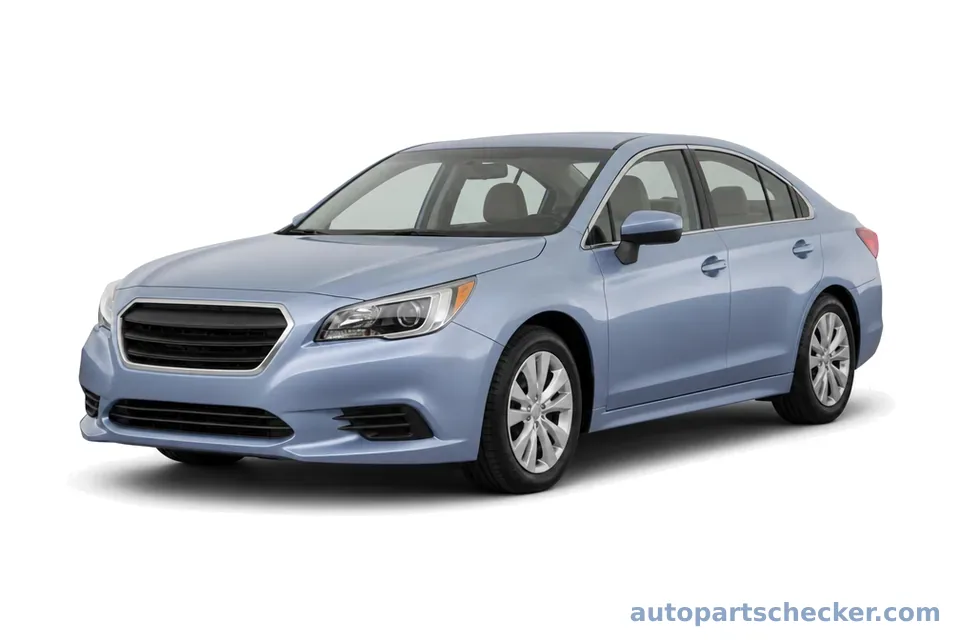
Service bulletin 12-219-17: Doors, locks and latches, Body and structure
Issued Apr 2017. NHTSA ID 10111089
This bulletin provides new part information and an identification procedure to address a small number of vehicles identified with a sticking secondary hood latch mechanism. The hood latch mechanism is exposed to foreign materials during normal use which can accumulate and cause the secondary portion to not operate properly. The spring-loaded secondary latch is manually released (after pulling the inside hood release lever to operate the primary latch mechanism) by the operator to open the hood. If faulty, the spring may not have enough force to return the lever back to its original position while the hood is open. Once the hood is closed, the secondary latch is forced into the closed position by design.
In plain English (our summary)
Foreign material can build up in the secondary hood latch and cause it to stick or work improperly.
- What you may notice: The secondary hood latch lever may not return to its original position while the hood is open.
- What is done about it: The bulletin provides new part information and a procedure to identify the sticking secondary hood latch.
Our plain-English summary of the official text above. The official text is the record.
Applies to
Source: manufacturer communications filed with NHTSA. Summaries as published by NHTSA. To see the full bulletin, ask a dealer or your mechanic for bulletin 12-219-17.
Updated: Recalls and bulletins updated daily. Complaints through October 29, 2026. Find your vehicle to request alerts