
AutoPartsChecker: https://autopartschecker.com/bulletins/1805716/
Chrysler service bulletin 1805716: Torque Request Signal Denied
This bulletin addresses a software conflict between the powertrain control module and the anti-lock brake system that may turn on a warning light.
Technical service bulletin 1805716 applies to the Chrysler Pacifica.
A service bulletin (TSB) tells dealers how to diagnose and fix a known issue. Unlike a recall, the repair is usually only free under warranty or a warranty extension. If your vehicle has the symptom, mention bulletin 1805716 to your dealer or mechanic.
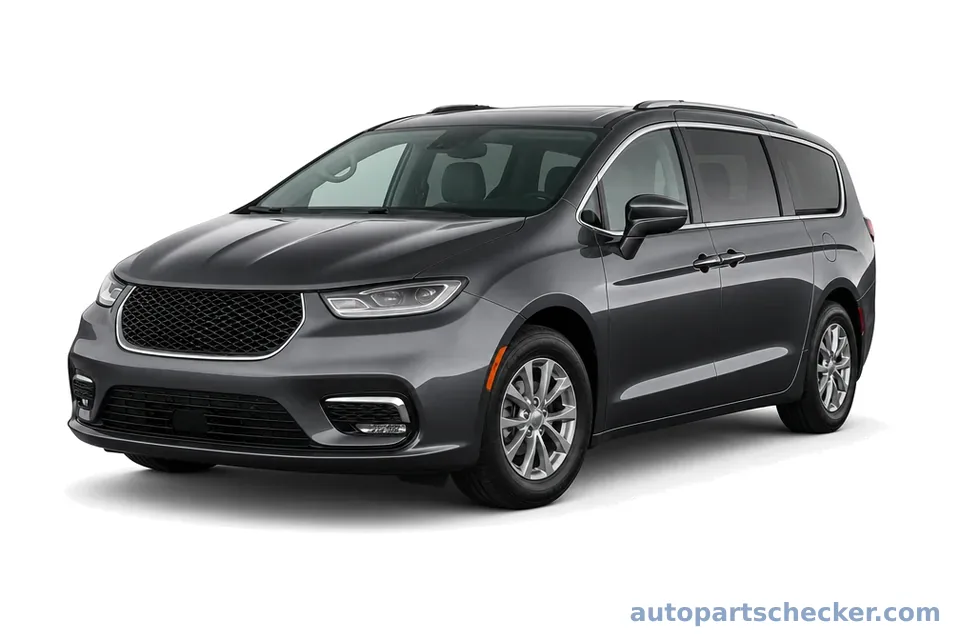
Service bulletin 1805716: Electrical system, Engine and cooling, Transmission and drivetrain
Issued May 2016. NHTSA ID 10228115
Flash: 3.6L Powertrain Diagnostic And System Enhancements This bulletin involves reprogramming the Powertrain Control Module (PCM) with the latest available software. A small number of customers may experience a Malfunction Indicator Lamp (MIL) illumination and/or one of the following conditions. Upon further investigation, a technician may find the following Diagnostic Trouble Code (DTC) stored in the Anti-lock Brake System (ABS) Module memory: NOTE: The Diagnostic Trouble Code (DTC) is caused by a calibration in the PCM that is in conflict with the ABS Module programming. The new software flash will correct this issue. · C121C-00 - Torque Request Signal Denied.
In plain English (our summary)
This bulletin addresses a software conflict between the powertrain control module and the anti-lock brake system that may turn on a warning light.
- What you may notice: The malfunction indicator light may come on.
- What is done about it: The dealer updates the powertrain control module with the latest software to correct the conflict.
Our plain-English summary of the official text above. The official text is the record.
Applies to
- Chrysler Pacifica: 2017
Source: manufacturer communications filed with NHTSA. Summaries as published by NHTSA. To see the full bulletin, ask a dealer or your mechanic for bulletin 1805716.
Updated: Recalls and bulletins updated daily. Complaints through October 29, 2026. Find your vehicle to request alerts