
AutoPartsChecker: https://autopartschecker.com/bulletins/a14-070/
Honda safety recall A14-070: Front Passenger Airbag Over-Pressurization
Technical service bulletin A14-070 applies to the Honda CR-V, Honda Element, Honda Odyssey and 2 more. The problem: Front Passenger Airbag Over-Pressurization. It was filed with NHTSA 2 times, for different vehicles or with different text: all are below.
This bulletin is a manufacturer campaign, recall or coverage extension: the repair is free for eligible vehicles, and any authorized dealer for the brand can confirm by VIN whether yours qualifies. Mention bulletin A14-070 when you call.
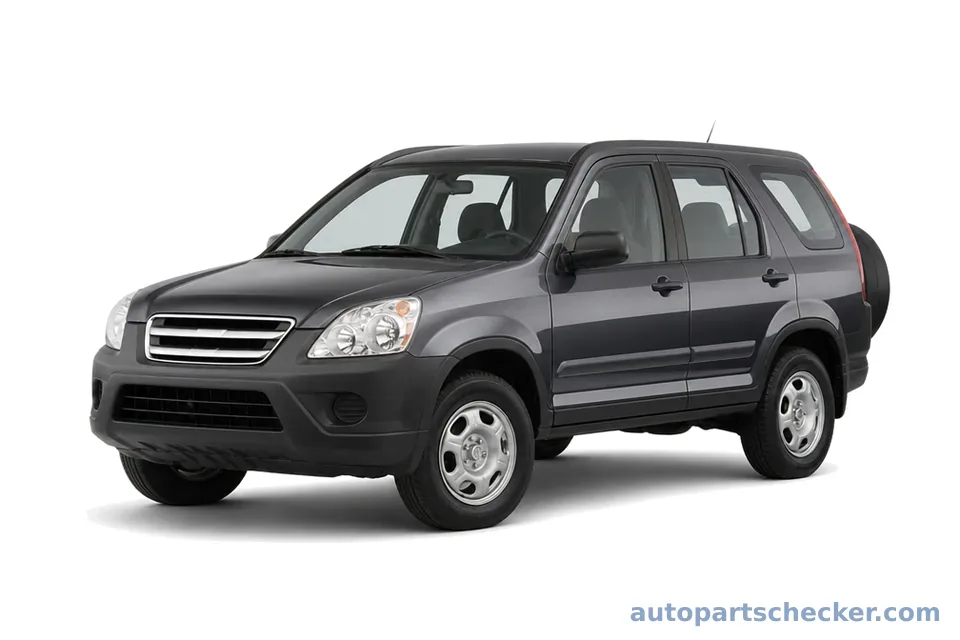
Service bulletin A14-070: Airbags
Issued Dec 2015. NHTSA ID 10099819, 10108142
"service bulletin - as the result of takata defect determinations and nhtsa directives, american honda has moved the 2003-05 accord, 2001 05 civic, 2001 04 civic gx, and 2003 05 civic hybrid from this airbag inflator campaign into sb 15-041, safety recall: front passenger s airbag inflator can be over-pressurized. If an ro was opened on june 14, 2015 or earlier for these vehicles, use the included warranty information to file a claim. Any applicable vehicles with an ro date on june 15, 2015 or later, refer to sb 15-041."
Applies to
Service bulletin A14-070: Airbags
Issued Sep 2015. NHTSA ID 10100690
"service bulletin - certain honda vehicles operated in areas known for high absolute humidity may contain a front passenger s airbag that, over time, may be affected by exposure to the humidity, which could produce excessive internal pressure upon deployment. If an affected airbag deploys, the increased internal pressure may cause the inflator casing to rupture. Metal fragments could be propelled upward toward the windshield, or downward toward the front passenger s foot well, possibly causing an injury to vehicle occupants."
Applies to
Source: manufacturer communications filed with NHTSA. Summaries as published by NHTSA. To see the full bulletin, ask a dealer or your mechanic for bulletin A14-070.
Updated: Recalls and bulletins updated daily. Complaints through October 29, 2026. Find your vehicle to request alerts