
AutoPartsChecker: https://autopartschecker.com/bulletins/pip4919d/
Buick, Cadillac, Chevrolet and others service bulletin PIP4919D: Black Smoke During Cold Start
Technical service bulletin PIP4919D applies to the Buick Enclave, Buick LaCrosse, Cadillac ATS and 13 more. The problem: Black Smoke During Cold Start.
A service bulletin (TSB) tells dealers how to diagnose and fix a known issue. Unlike a recall, the repair is usually only free under warranty or a warranty extension. If your vehicle has the symptom, mention bulletin PIP4919D to your dealer or mechanic.
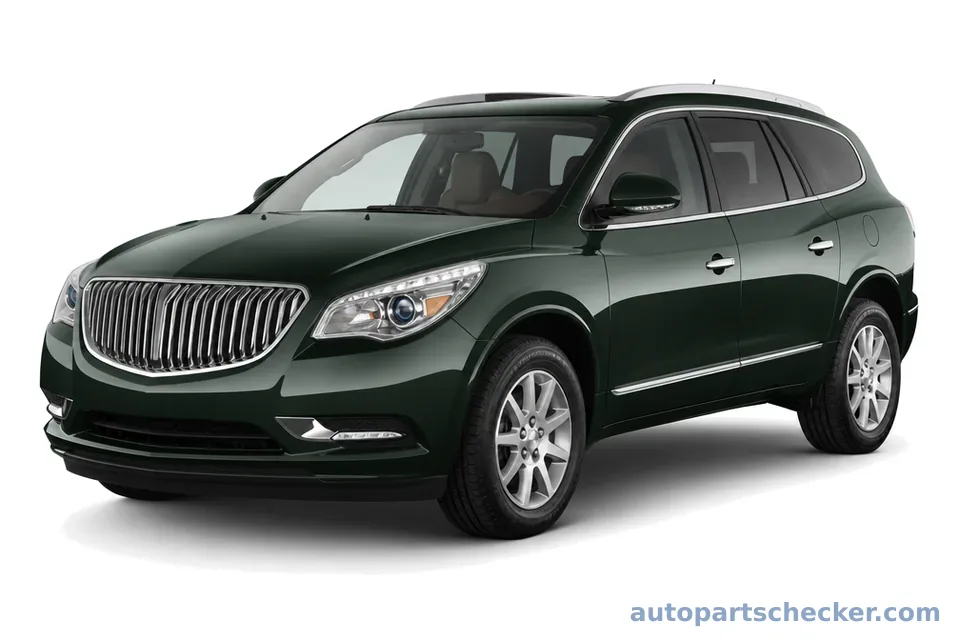
Service bulletin PIP4919D: Engine and cooling
Issued Mar 2015. NHTSA ID 10139389
This Preliminary Information communication provides information to the technician about vehicle that may have black smoke on a cold start. A dual-pulse injection strategy is utilized during engine cold start to reduce the time required to bring the catalytic converter up to operating temperature. This split injection strategy lasts for about 60 seconds on cold start. This process may cause the customer to see increased black smoke during cold start and should be considered normal.
Applies to
- Buick Enclave: 2009, 2010, 2011, 2012, 2013, 2014, 2015
- Buick LaCrosse: 2009, 2010, 2012, 2013, 2014, 2015
- Cadillac ATS: 2013, 2014, 2015
- Cadillac CTS: 2008, 2009, 2010, 2011, 2012, 2013, 2014, 2015
- Cadillac STS: 2008, 2009, 2010, 2011
- Cadillac XTS: 2013, 2014, 2015
- Chevrolet Camaro: 2010, 2011, 2012, 2013, 2014, 2015
- Chevrolet Colorado: 2015
- Chevrolet Equinox: 2009, 2010, 2011, 2012, 2013, 2014, 2015
- Chevrolet Impala: 2012, 2013, 2014, 2015
- Chevrolet Traverse: 2009, 2010, 2011, 2012, 2013, 2014, 2015
- GMC Acadia: 2009, 2010, 2011, 2012, 2013, 2014, 2015
- GMC Canyon: 2015
- GMC Terrain: 2010, 2011, 2012, 2013, 2014, 2015
- Saturn Outlook: 2009, 2010
- Saturn Vue: 2009, 2010
Source: manufacturer communications filed with NHTSA. Summaries as published by NHTSA. To see the full bulletin, ask a dealer or your mechanic for bulletin PIP4919D.
Updated: Recalls and bulletins updated daily. Complaints through October 29, 2026. Find your vehicle to request alerts