
AutoPartsChecker: https://autopartschecker.com/mercury/sable/2000/brake-pads/
2000 Mercury Sable: complaints mentioning the brake pads
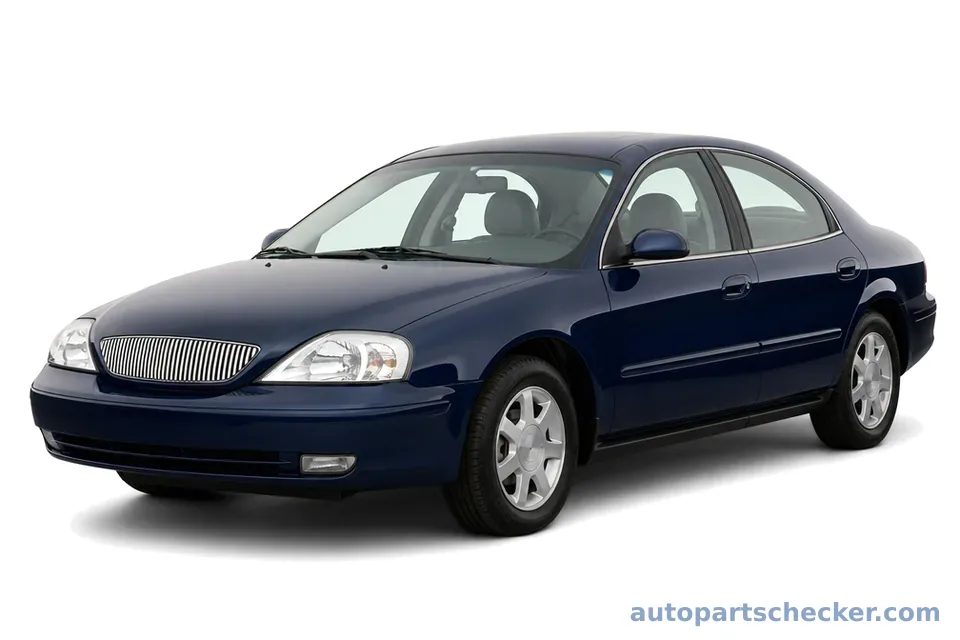
What it does
Friction pads that clamp the brake rotors to slow the wheels. They wear with use and are the most frequently replaced brake part.
Common signs of a problem
- Squealing or grinding when braking
- Longer stopping distances
- Brake warning light or wear indicator
What owners report
Owners filed 66 complaints about related systems on the 2000 Mercury Sable; fewer than 5 mention the brake pads specifically.
Counts are complaints whose text mentions this part. A mention isn't proof the part failed: some complaints mention it in passing, as recently replaced or as working fine. Complaints are unverified owner reports, not confirmed defects.
Brake Pads complaints by model year
Owner complaints mentioning the brake pads
-
Reported Jun 2006, 63,000 miles
Dt*: the contact stated while changing the brake pads a groove was found on the inside of the rear passenger tire that was caused by a fractured coil spring. There is a recall #04v332000 concerning the front coil spring. The recall does not include the rear coil springs.
-
Reported Apr 2002
Severe front shudder during braking. This became apparent about 45000 miles and continued to increase over time. Owner preformed own investigation and discovered front rotors badly warped. Owner preformed own maintainence by installing aftermarket new rotors and pads. Owner wishes to indicate that original rotors removed from car appear to have what looks like fracture cracks across surface of ea rotor and unusual patterns and discolors not seen on other cars before. These parts have been kept at owners home for future investigation if requested. Car is now back in service with brakes operating correctly after repairs were completed.
-
Reported Jul 2001
Upon braking to a stop, my wife and I each had several incidences of hitting the brake pedal and gas pedal simoultaneouly causing car to accelerate instead of stopping. The cure is to have the brakes engage at a higher point so that the foot is suffeciently above the gas pedal as is the case with my 1988, bmw 325i. Of course, separating the two pedals would also help. Fortunately, only one incident caused a minor accident with neglible damage. A ford engineer has reported that all brake operations are normal on my car. It seems to me that design standards should be employed in the location of the brake pedal to the gas pedal. Ford also reported that here has never been a complaint regarding a similar situation. Is this true? Ford also informed me that there is no "up / down" adustment factor in the relation to when the brakes engage. The car has the adustible gas and brake pedal assembly that adjusts to allow petite drivers to sit further from the steering wheel for air bag deployment safety. This movement could also contribute to the problem because. Unconsciouly, the position of the brake pad my not be in remembered after the brake pads have been moved.
Other parts for the 2000 Mercury Sable
Updated: Recalls and bulletins updated daily. Complaints through October 29, 2026. Request alerts for your vehicle