
AutoPartsChecker: https://autopartschecker.com/saab/9-3/2001/ignition-coils/
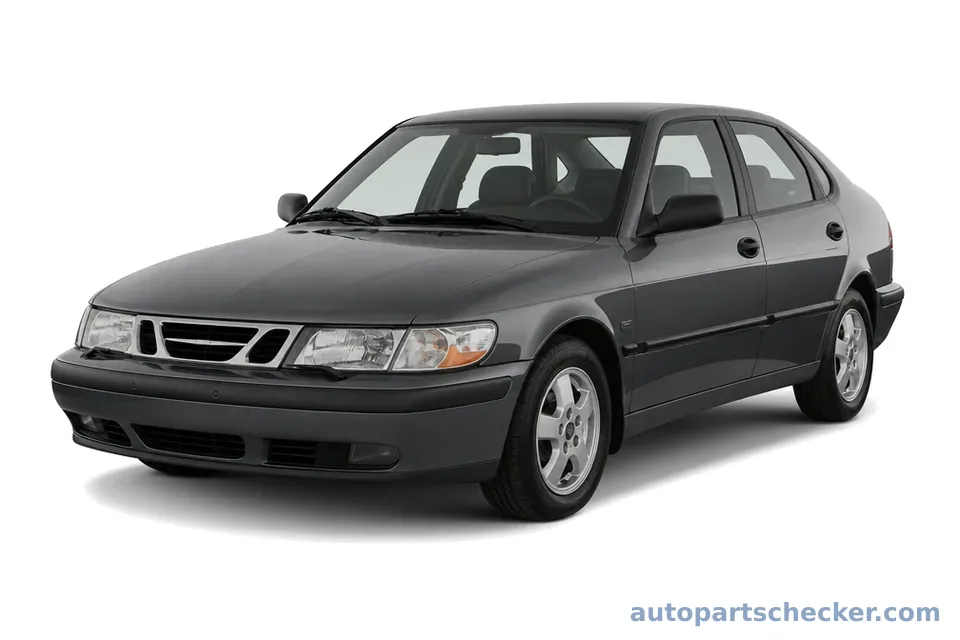
2001 SAAB 9-3: complaints mentioning the ignition coils
What it does
Coils that turn battery voltage into the high voltage that fires the spark plugs. Most modern engines have one coil per cylinder.
Common signs of a problem
- Misfires or rough idle
- Check-engine light
- Loss of power or poor fuel economy
What owners report
Owners filed 47 complaints about related systems on the 2001 SAAB 9-3; fewer than 5 mention the ignition coils specifically.
Counts are complaints whose text mentions this part. A mention isn't proof the part failed: some complaints mention it in passing, as recently replaced or as working fine. Complaints are unverified owner reports, not confirmed defects.
Ignition Coils complaints by model year
Owner complaints mentioning the ignition coils
-
Reported Feb 2019, 119,800 miles
Excessive leaking. Was driving on e-way and engine stopped or something occured where it sounded as if the car turned off. The battery was working but, when I pressed on accelerator it didn't propel forward. I carefully steered with hazard lights to side of the road. Ignition cranks but, car won't turn over. Replaced direct ignition coil, crankshaft sensor but, issue seems to be the fuel pump. A recall was issued regarding this: recall 06v126000 affected cars saab 9-3 2001 engine, may 12, 2006 original recall from the nhtsa manufacturer's report date may 12, 2006 nhtsa action number rq05003 potential number of units affected 11,886 nhtsa campaign id number 06v126000 component fuel system, gasoline:delivery:hoses, lines/piping, and fittings summary on certain passenger vehicles, the fuel pump retaining tabs holding the fuel lines were damaged during production. Consequence over time, this could cause the fuel lines to loosen from the pump resulting in fuel leakage. If an ignition source were present, the fuel may ignite resulting in a vehicle fire.
Other parts for the 2001 SAAB 9-3
Updated: Recalls and bulletins updated daily. Complaints through October 29, 2026. Request alerts for your vehicle